
Education
The Art of Mindfulness in Education
18 Year's Experts October 15, 2025
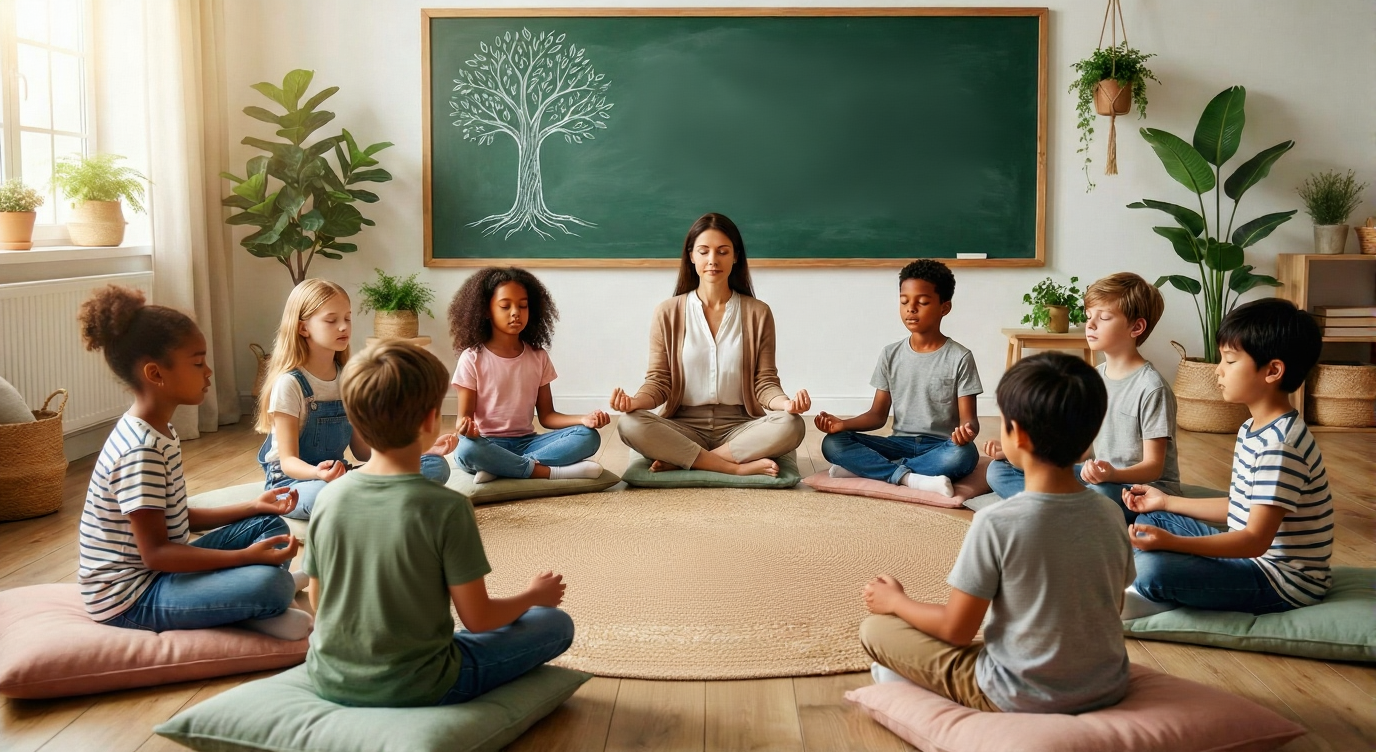
Mindfulness has rapidly become one of the most transformative approaches in modern education. As students today face increasing levels of stress, distraction, and academic pressure, mindfulness offers a simple yet powerful tool to build mental clarity and emotional resilience. At its core, mindfulness teaches students to observe their thoughts, feelings, and surroundings without judgment, allowing them to stay grounded in the present moment.
In classrooms where mindfulness is practiced, teachers often report noticeable improvements in student focus and overall behavior. When students learn to pause, breathe, and reconnect with the moment, they become better equipped to handle frustration, maintain concentration during lessons, and engage more deeply with their studies. This shift creates a learning environment that is calmer, more respectful, and more conducive to meaningful learning.
Research suggests that mindfulness directly enhances memory retention, decision-making, and creativity. Students who practice mindfulness regularly show better emotional regulation, reduced anxiety, and an increased ability to cope with academic challenges. Rather than reacting impulsively, they begin to respond thoughtfully—an essential skill not only for school but for life.
Teachers also benefit from incorporating mindfulness into their daily routines. A mindful educator can create a nurturing, balanced classroom atmosphere where learning feels joyful rather than stressful. By modeling calmness and presence, teachers inspire students to develop the same qualities. This mutual growth strengthens the teacher-student relationship and fosters trust, empathy, and collaboration.
Mindfulness also helps students understand themselves better. When they learn to observe their internal world, they become aware of what triggers stress, what motivates them, and what helps them stay focused. This self-awareness builds confidence and emotional intelligence, making students more prepared for personal and academic success.
In essence, mindfulness is not just a practice—it is a mindset. It encourages students to slow down in a fast-paced world, to listen more deeply, and to engage with learning in a more authentic way. By integrating mindfulness into education, we are not only improving academic performance but also nurturing healthier, more emotionally balanced individuals who are better prepared to navigate the challenges of life.